eWing

Find out what's
going on at Audubon,
Sign up for eWing

Click Here to See a Sample 
 

What's Going On?

Osprey License Plate

osprey_thanx_plate-2.ver1.jpg


Order your Rhode Island
Osprey License Plate


Audubon Search

Home
Audubon Society of Rhode Island

Welcome

webGobe
The Audubon Society of Rhode Island, the state's first environmental organization, invites you to discover the wonders of nature. Annually, more than 17,000 members and supporters along with tens of thousands visitors enjoy our fifteen refuges statewide, award-winning Environmental Education Center, and enthralling special events and fascinating programs. 

Our Audubon was founded in 1897 to halt the slaughter of birds used in the day's fashions. Today, our mission promotes environmental education, conservation and advocacy.

The Audubon connects you with nature all year through recreational and educational activities, emphasizing birds while encompassing all native wildlife and habitats.

The natural world is both sanctuary and classroom. Audubon encourages you to enjoy nature, learn from it, and protect it. Join us and experience the discoveries that nature offers you.

 
No Child Left Inside

Environmental Literacy Included in Obama's
New Education Budget: Historic First
1285458723_6058c45488.jpg

We just logged a major victory for No Child Left Inside, perhaps our most significant.  President Obama's budget that was released yesterday includes environmental literacy in the U.S. Department of Education budget for the very first time.  We now have the Obama administration officially on our side, and better yet, in their budget.

President Obama and Secretary Duncan have made innovation and student achievement a major platform of the Obama Administration and as a result have included environmental literacy in a new program. The proposed budget includes a new $1.0 billion for Effective Teaching and Learning for a Complete Education program designed to improve instruction to support college- and career readiness standards, in part through the use of technology to deliver high-quality content. The new program includes 3 components:

  • Literacy: $450 million, an increase of $36.7 million, to consolidate 7 existing Elementary and Secondary Education Act programs into a new program that would help States and local education authorities improve literacy skills by supporting professional development and improved instructional materials.
  • Science, Technology, Engineering, and Mathematics (STEM): $300 million, an increase of $119.5 million, or 66 percent, to expand the Federal investment in improved teaching and learning of STEM disciplines, especially in high-need schools and school systems, and prepare the next generation of scientists and engineers.
  • A Well-Rounded Education: $265 million, an increase of $38.9 million, or 17 percent, to consolidate 7 current authorities and expand support for the subjects important to a complete curriculum, including: history, the arts, foreign languages, environmental literacy, and economic and financial literacy.
Read more... [No Child Left Inside]
 
Where have the birds gone?
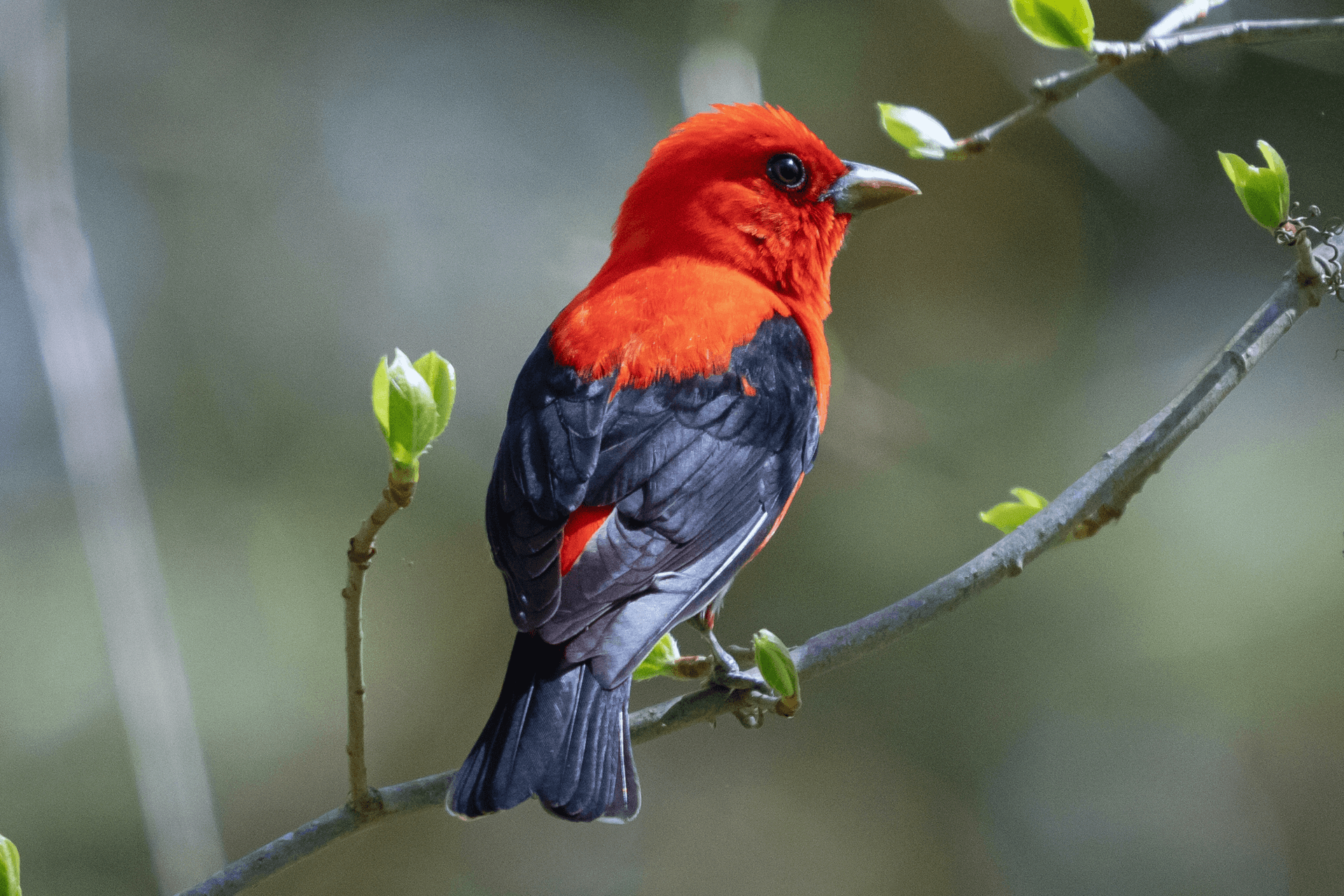
cardinal_auduboncorr.jpgNature is an amazing thing. Instincts long hardened into the brain become active when day length changes, when temperatures dip, or when moisture dries up. Survival skills and inbred behaviors ensure that wildlife endures the changes of the seasons. That is why, when summer is waning and days begin to grow shorter, the birds seem to disappear.

They have not actually disappeared, thankfully. They are simply not 'hanging out' where humans may have become used to seeing them. Audubon Society of Rhode Island naturalist Kim Calcagno notes that she receives numerous calls and emails this time of year from concerned people who have noticed a remarkable dearth of birds in their yards and local parks. "Just as we can set the seasonal clock by the springtime robin and woodpecker phone calls, the start of autumn is distinctly marked by the profusion of calls asking what has happened to the birds," she says.

Well, what does happen to the birds?  Calcagno explains that it is part behavioral and part nutritional. "During the spring and summer, birds are focused on breeding. They come out to find a mate. They search to find nesting material. They forage endlessly for all those mouths to feed," she explains. "The birds you see are constantly taking risks by coming out in the open and exposing themselves to predators to get these things done. Once breeding is over for the season, they have some time before the winter comes to 'lay low' a bit, staying out of the view of predators and keeping out of the open areas. This behavior is normal and comes with the season."


Read more... [Where have the birds gone?]
 

© 2010 Audubon Society of Rhode Island
12 Sanderson Road, Smithfield, RI 02917 ~ 401-949-5454
Powered by Joomla Designed, developed and hosted by LeftBrain LLC