
Advocacy at Audubon
Through grassroots and direct advocacy, the Audubon Society of Rhode Island promotes public policies and initiatives that protect birds, other wildlife, and natural resources. Audubon organizes people into campaigns and coalitions to build a strong and respected environmental movement in Rhode Island and to increase the environmental literacy of elected officials and policymakers.
The challenges affecting today’s environment are on the rise as we face the climate crisis and new threats to our valuable natural resources. To remain a strong independent voice for nature, the support of Audubon volunteers, members, donors, and fellow community members is crucial.
Current Advocacy Priorities
We developed these priorities by engaging local advocates, other organizations, and our expert scientists. We encourage you to Take Action on each and every one of these pieces of legislation and local priorities.
2026 Legislative Priorities
Audubon Society of Rhode Island supports legislation in 2026 that will protect wildlife, natural habitats, clean air, clean water, and a better quality of life for all Rhode Islanders.
-
-
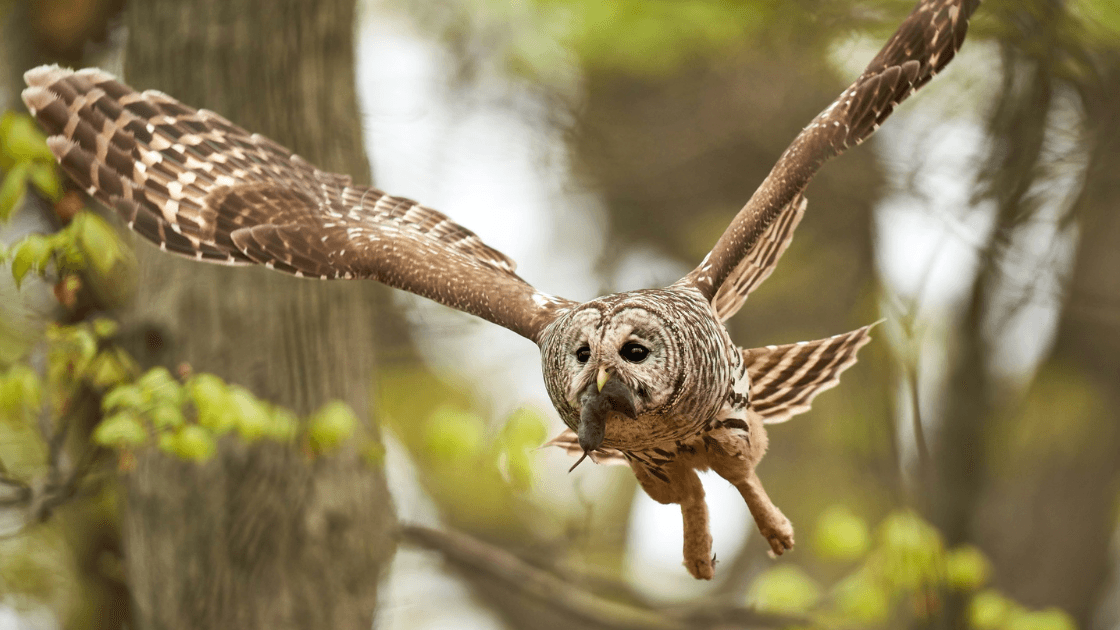
This legislation would ban the sale and use of anti-coagulant rodenticides, which would save thousands of raptors in our state annually. It also proposes to create a voluntary, integrated pest management (IPM) pilot program. The IPM program is a science-based approach to measuring, reporting, and treating pest populations in municipalities around Rhode Island, without the use of hazardous rodenticides impacting our wildlife populations. LEARN MORE
-
-
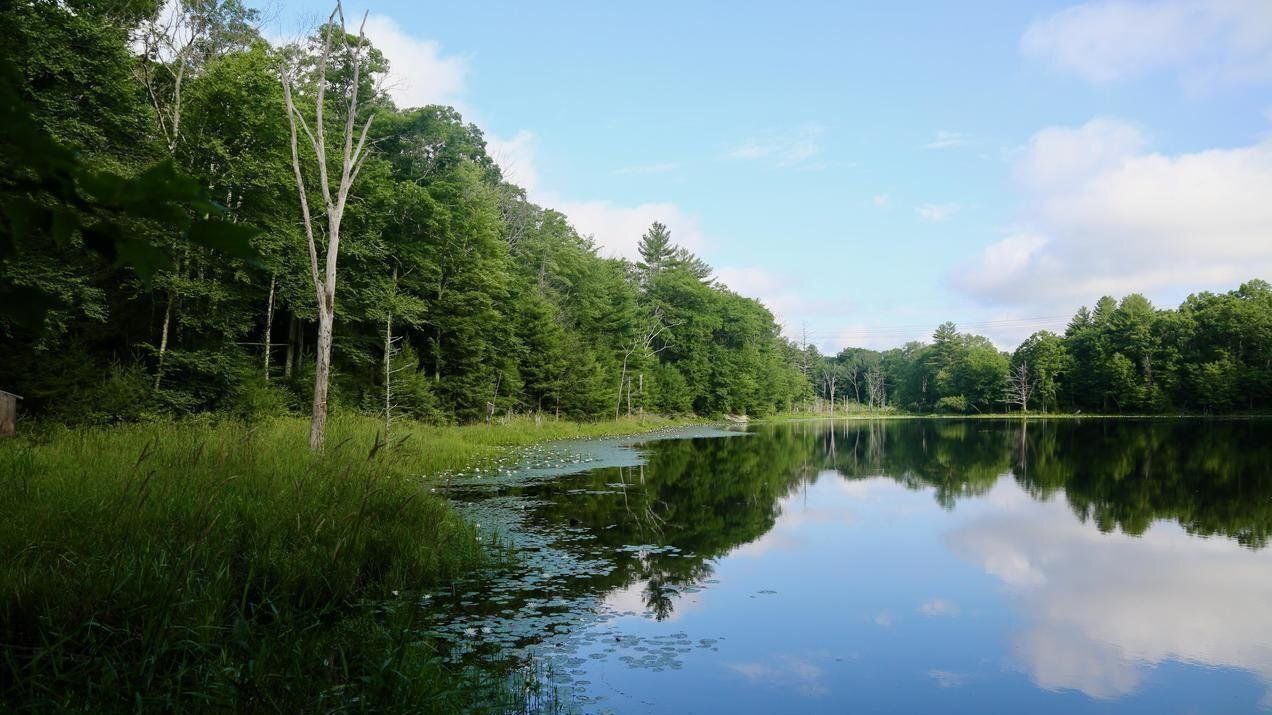
Although Rhode Island voters strongly support protecting the wild places of our state, the Governor has once again left out funding for these important investments in the Green Economy Bond. If the Bond proceeds as is without conservation funding, our work will become far more difficult– you can help ensure that $10 Million in funding for conservation is added to the Green Bond for the ballot in November. Learn more about the Green Bond and how to take action here.
Local Priorities
Nature-Based Stormwater Solutions
As flooding events increase across the state, local communities need to be able to mitigate the impacts of stormwater. Through the Stormwater Innovation Center, the Audubon Society of Rhode Island is working with municipalities across Rhode Island to support.
Is there an issue you'd like Audubon to know about?
Your priorities are our priorities! If there’s an issue you think we should know about, contact us with the details at audubon@asri.org. We’ll respond in 24-48 hours to let you know how and if we can get involved to help.