Audubon Latest News and Events
Look out for these spring migrants!
Grab your binoculars, a pencil, and some patience and head out to our refuges to find these feathered folks returning from their long-distance migratory journey (or birds that are on stopover!) Click here to download our spring migrant checklist.
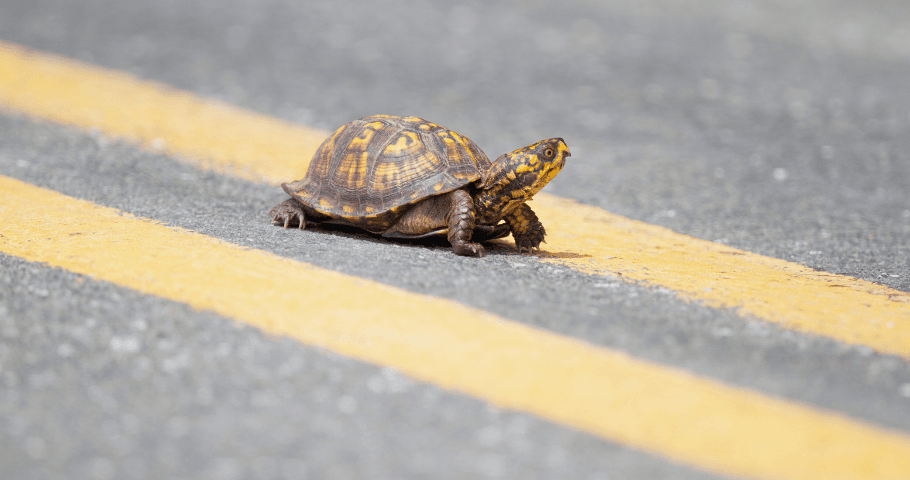
In May and June, turtles and other wildlife will set out to find suitable nesting sites to lay their eggs. Eggs hatch in August in September. For many, they'll need to cross busy roads to access their habitats and nesting sites. Learn tips on how to help them cross, and about the other threats they face.
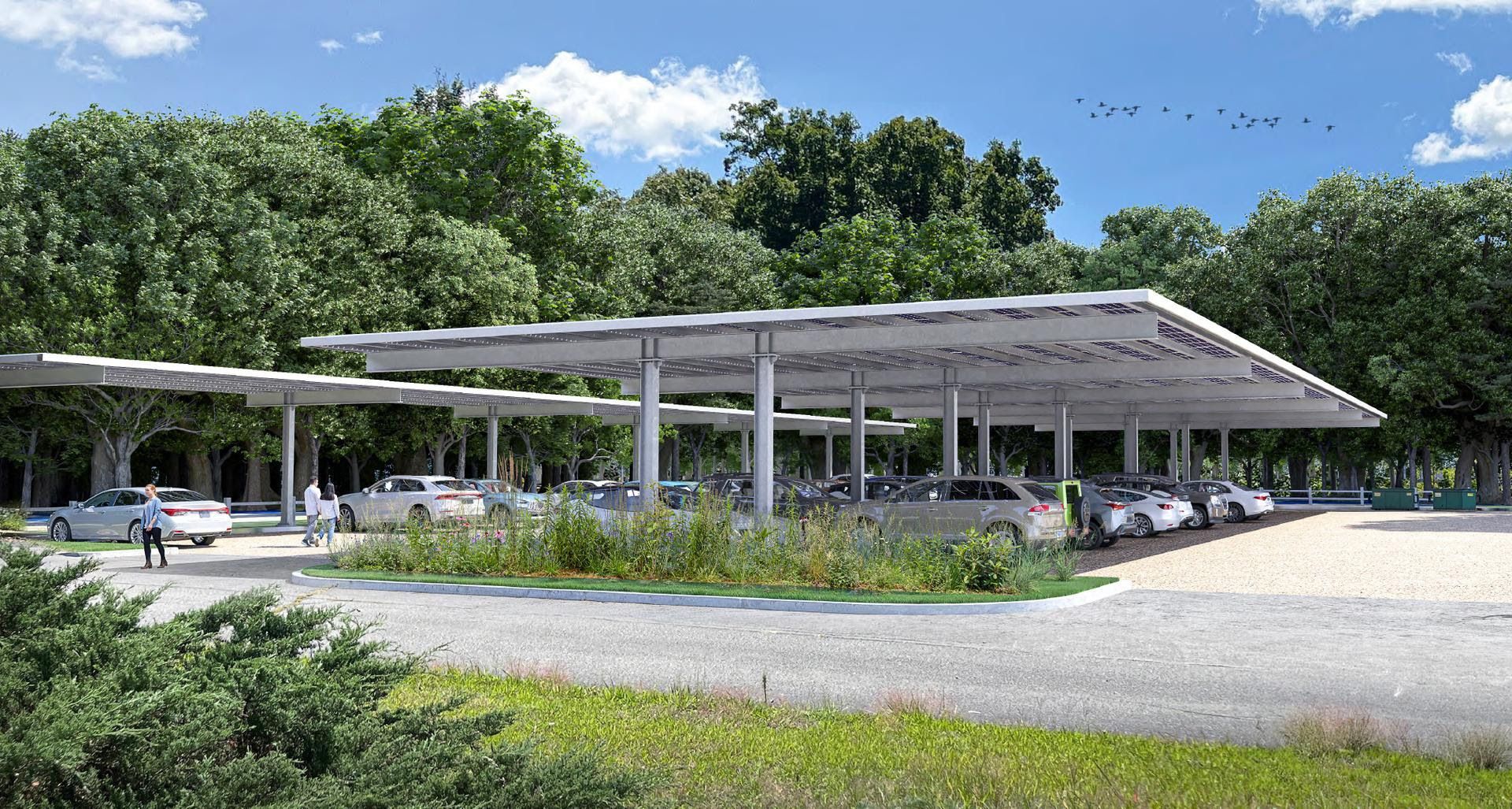
Through our RePower Audubon initiative, we are proving what climate leadership looks like at the organizational level. The climate crisis demands action, not excuses. Your support will allow us to show others what is possible.
Audubon celebrated 128 years of environmental leadership when members and supporters gathered at our annual meeting on Sunday, October 19, 2025, at the Audubon Nature Center and Aquarium in Bristol, Rhode Island. Read the Executive Director address, check out our 2025 award winners, and meet our new board members!
According to the recently released 2025 State of The Birds report, nearly 1/3 of all bird species in our country are of conservation concern due to population loss– and FOUR of the Audubon Society of Rhode Island's Responsibility Birds have been deemed "tipping point" species.
While humans may take their cozy homes for granted when winter sets in, the strategies that wildlife have developed to cope with the plunging temperatures, biting wind and lack of food are as creative and innovative as they are necessary.
In September, Audubon began constructing and installing three Chimney Swift nesting towers in an effort to support the nesting needs of these birds and to begin identifying the limiting factors the species experiences in Rhode Island.
A bird’s food may be small but it plays a clear and critical role in species survival, not to mention habitat conservation and ecosystem balance, both important for wildlife and humans alike. This effort to create a “Bird Food Baseline” is part of the overall RI Audubon Avian Research Initiative.
Rhode Island businesses are no longer permitted to sell pesticides containing neonicotinoids to untrained users. You can continue to support pollinators by holding accountable local businesses that sell landscaping products.
Birds' lives are tough and their work is nonstop. The very least we can do to ensure their success is to make their jobs as easy as possible…by protecting habitats and resources critical to their needs.
Welcome, spring! Birds are on the move, migrating to their breeding grounds. Want to help birds as they make their long journeys? Here are a few tips.
We're excited to share with you that we have been awarded Accreditation! After a rigorous verification process by the Land Trust Accreditation, Audubon Society of Rhode Island has proven that we have sound finances, practice ethical conduct and responsible governance and can ensure lasting stewardship. A win for conservation and our community!
On Sunday, February 4, Audubon hosted its second annual “Birds Across New England” regional conservation symposium. Read the event recap by Dr. Charles Clarkson, Director of the Audubon Avian Research Initiative and access the event recordings.
Soil is the living, breathing component of habitats that support terrestrial communities worldwide. Natural scientists, gardeners and farmers appreciate soil, yet we still have much to learn about this crucial resource. Audubon practices soil conservation in many ways. Whether you are a gardener or a large landowner, you can adopt similar conservation actions.
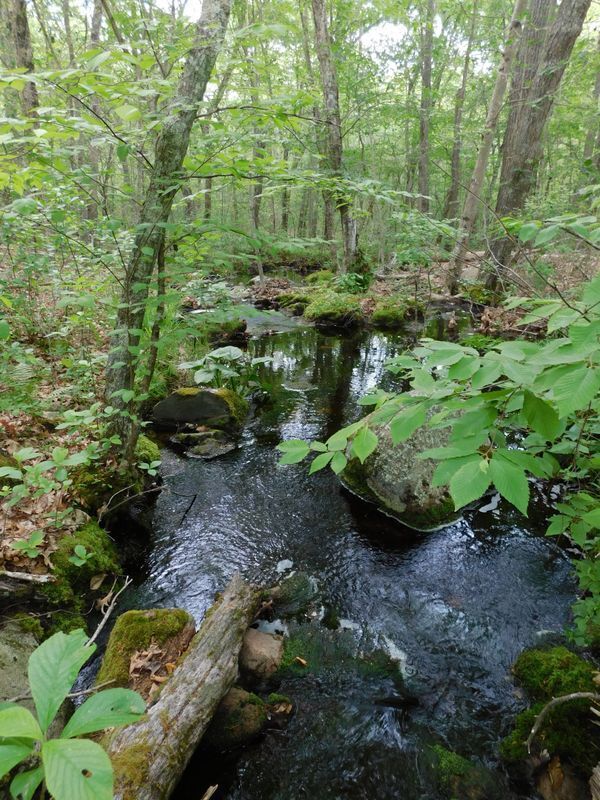
We are delighted to announce two significant land donations that will further enhance our conservation efforts and provide vital sanctuaries for birds and wildlife. The first donation is a 5-acre parcel in Coventry, seamlessly merging with the existing Audubon Perched Boulder Woods. The second donation is an extraordinary milestone for Audubon - a 300-acre parcel in North Kingstown that will forever be recognized as Congdon Wood: an unfragmented habitat that protects the headwaters of the Saugatucket River and wildlife habitat with its contiguous expanse of forest and wetland.
Through donor support of any kind, Audubon can fulfill its mission of educating five-year-olds about the wonders of wildlife, managing habitat for declining pollinator species, or permanently protecting forests, fields, and wetlands, it is connecting its founding legacy to what lies ahead.
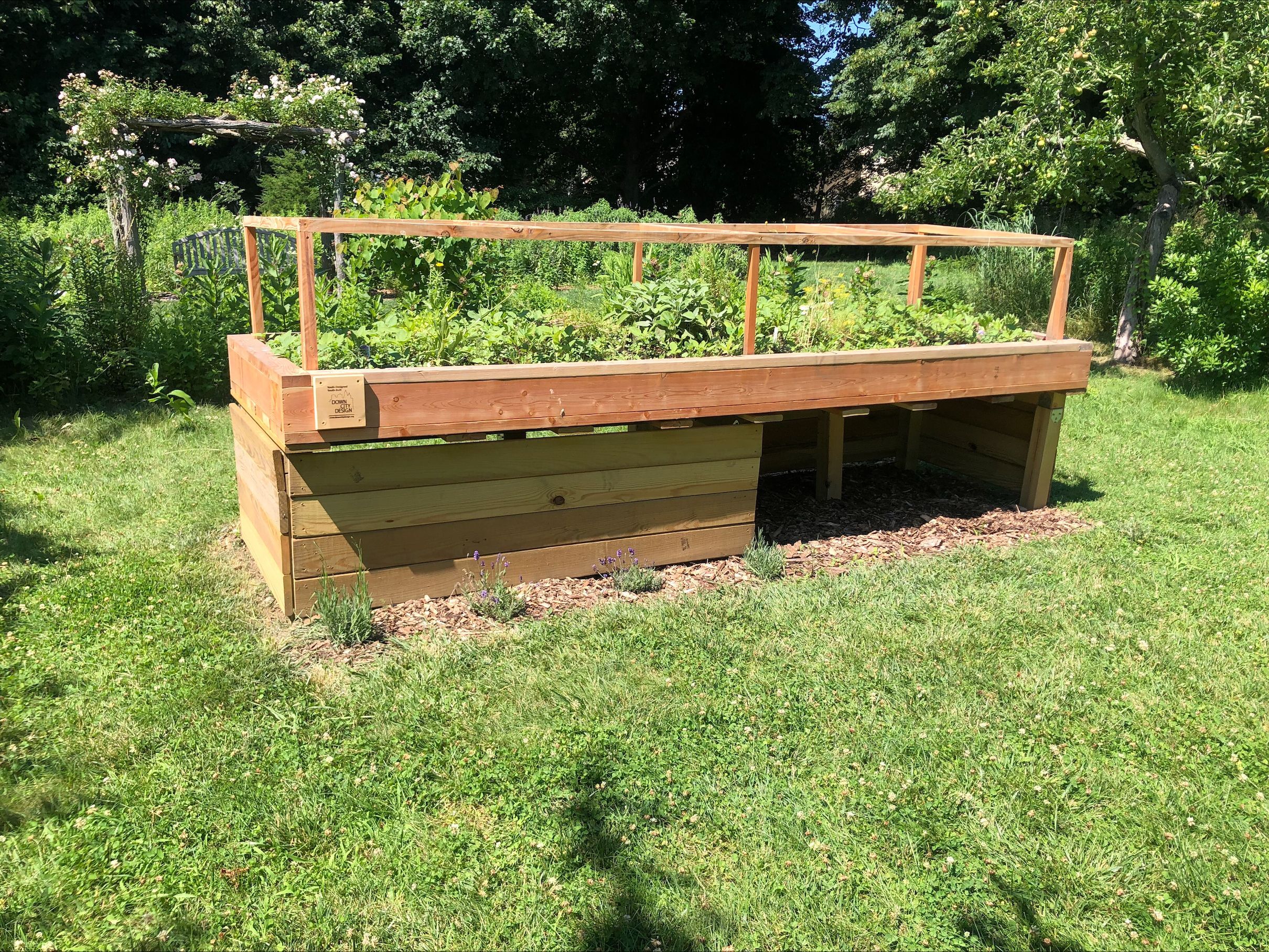
This spring, Audubon received a beautiful new raised bed for the Palmieri Pollinator Garden thanks to the talented middle school students of DownCity Design (DCD). DCD is a community organization that has served over 2,200 students since it was founded in 2009. Their team of educators empowers students to create solutions to community challenges using the principles of design.
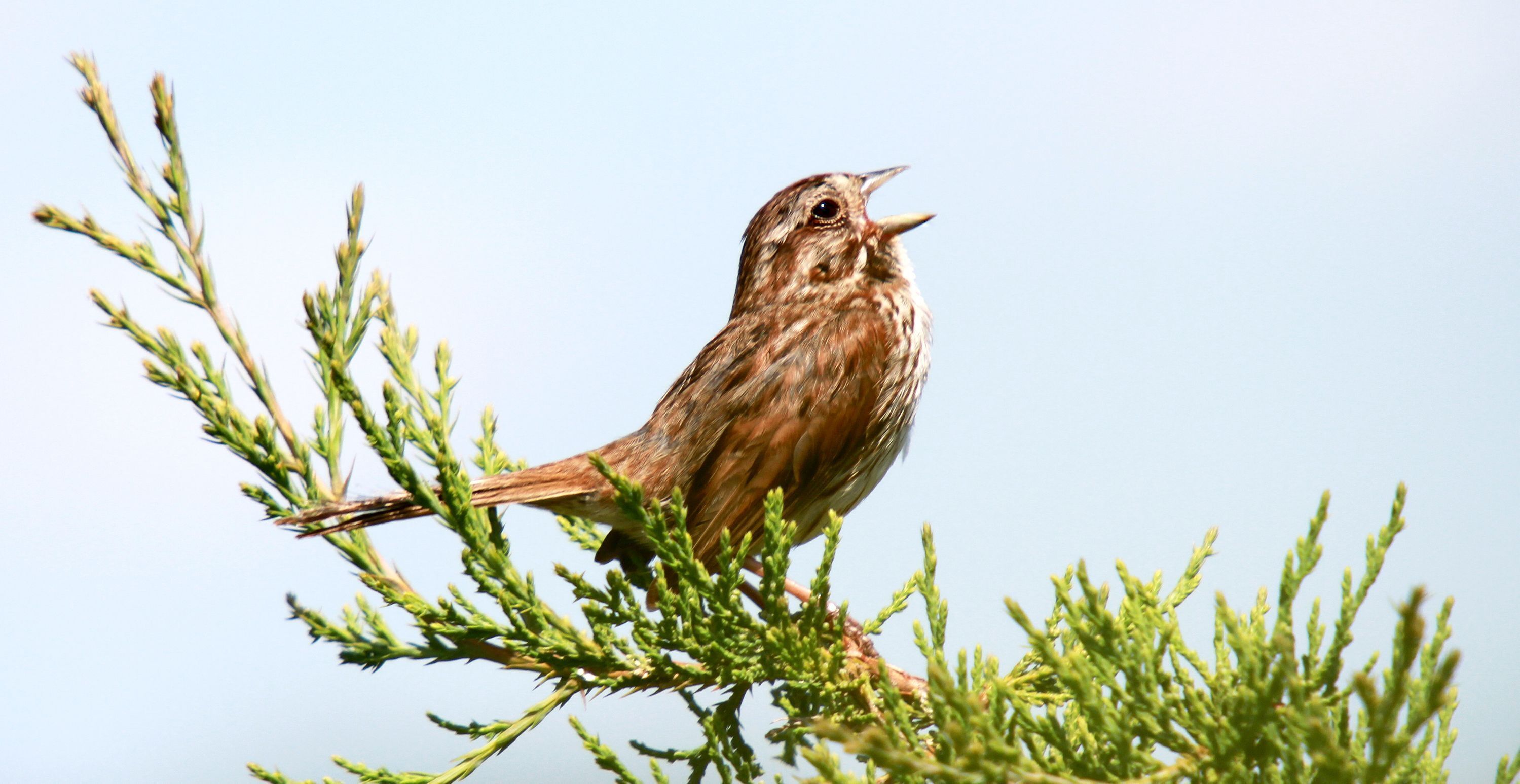
October is coming, and so are the sparrows! Yes, we have some resident sparrows throughout the year in Rhode Island, but autumn is the time we see an influx of those hard-to-discern little brown birds. People often overlook this low bush, grass dweller. Some say they all look alike. However, with a little time and patience, you may just fall in love with these feathered friends.
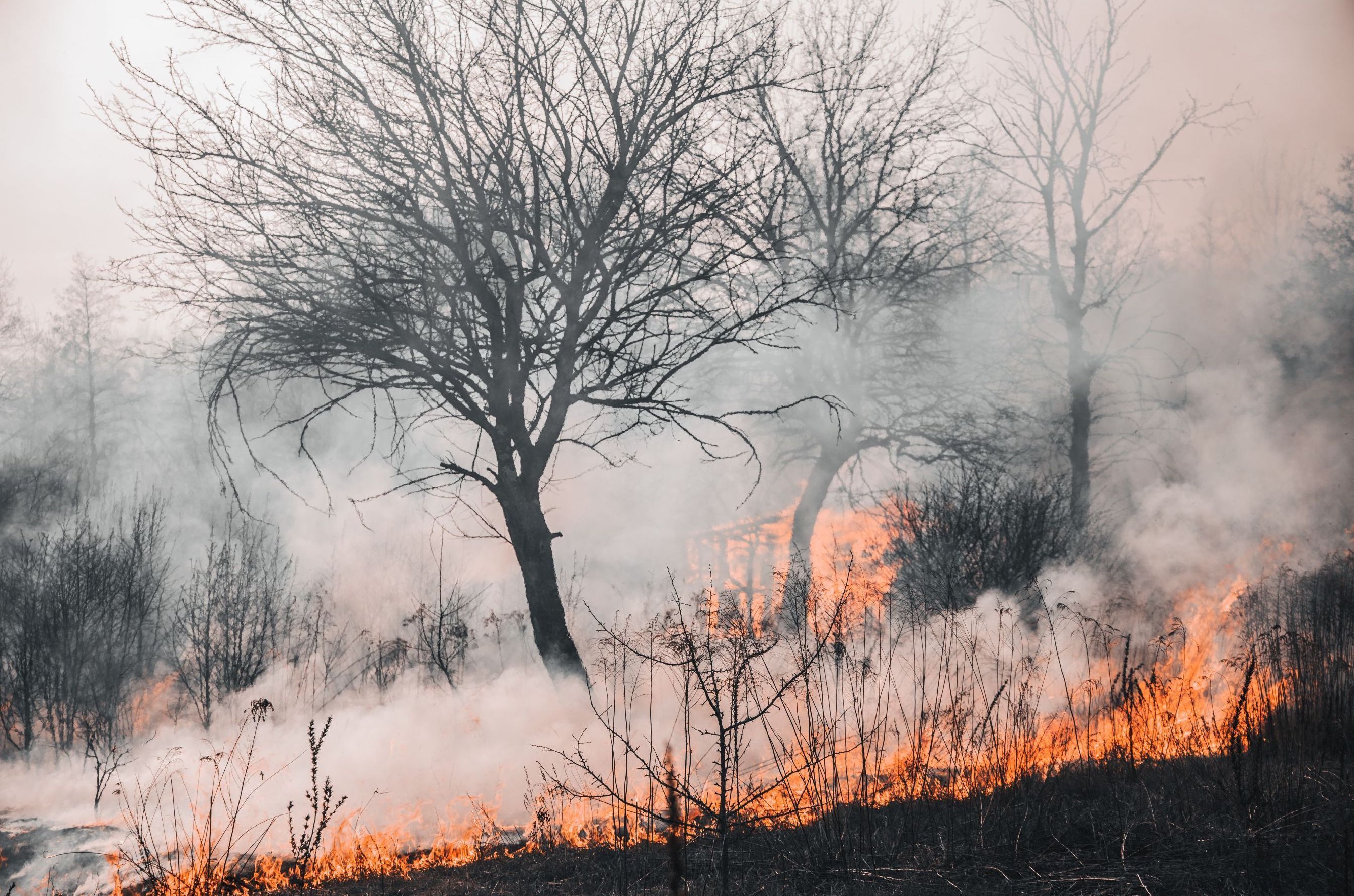
Ecologically, fire is a natural and regenerative disturbance in many natural areas, including those found in Rhode Island. Most grassland and forest fires are ignited by lightning or other natural causes, though some are a result of arson and human accidents.
A powerful evolutionary and ecological force, fire alters but does not destroy habitats. There are, however, balances and tradeoffs. Fire helps cycle nutrients, breaks down excess debris, and raises soil pH, which favors beneficial bacteria, suppresses diseases and helps to control invasive plants. If fires are too frequent or too intense, however, nutrients can be lost to erosion. Some species may die, and invading species may colonize openings. This is why conservationists track the aftermath of fires.
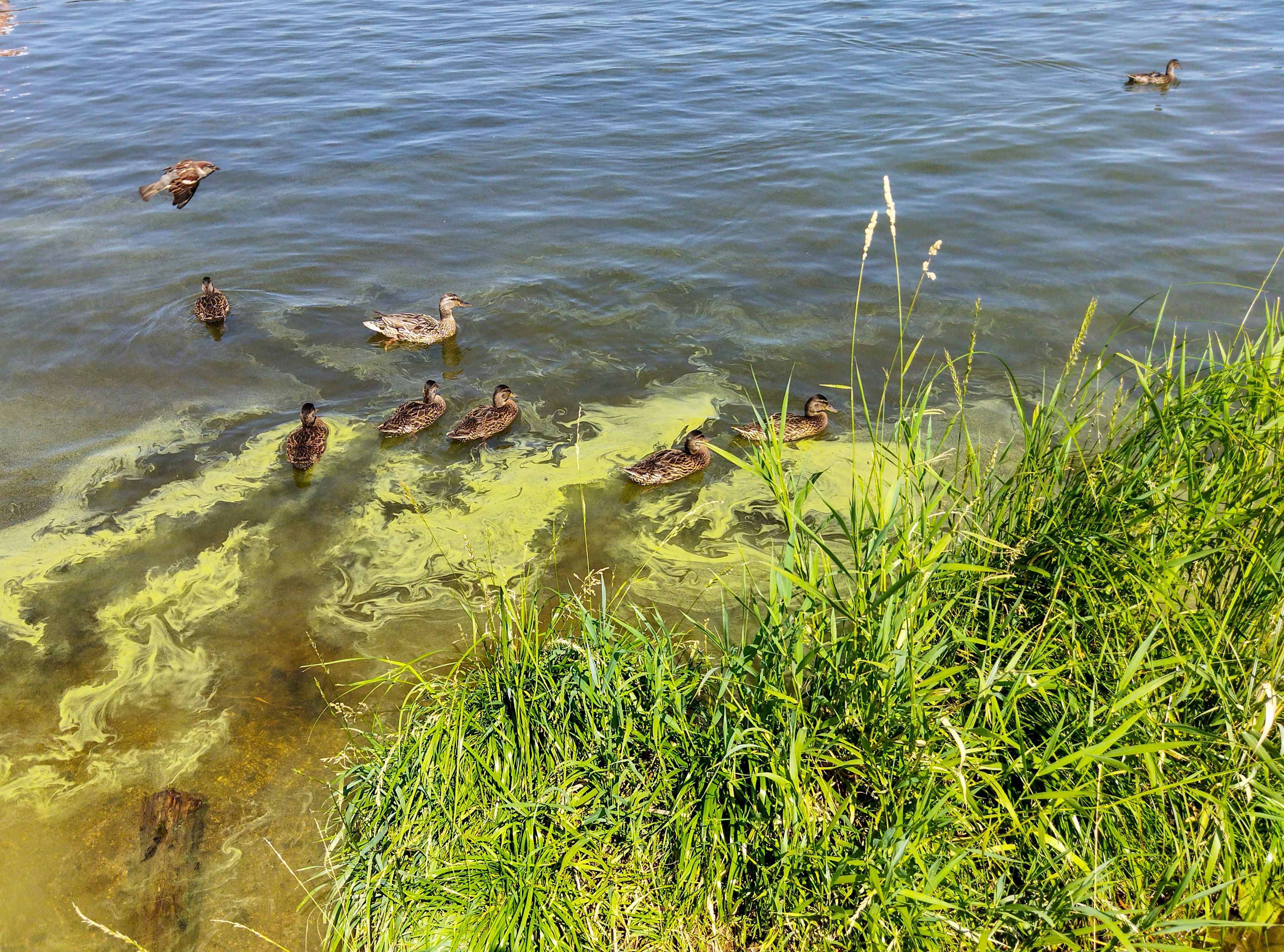
It’s a muggy June morning, and Ryan Kopp, director of the Stormwater Innovation Center (SIC), leans slightly over a railing, peering at the amber-colored surface of Roosevelt Lake at Roger Williams Park in Providence. There’s a faint skim of lighter-colored material beneath his gaze, and he gives it a nod. “See that? It could be the start of a cyanobacteria bloom,” he says. “Those blooms develop to look like someone poured bright green paint in the water.”
More than 50% of the air we breathe is produced by oceans – thanks to phytoplankton and the marvels of whale waste. The “Whale Poop Loop” kicks off the food cycle in the ocean, supporting global ecosystems. This is why Audubon has joined the collaborative See a Spout, Watch Out! boating education effort.
In the spring of 2023, the Audubon Society of Rhode Island joined over 1,800 conservation collaborators with the establishment of its first MOTUS tower. The tower itself will collect data on birds, bats and insects that have been fitted with coded tags as they pass overhead during periods of movement!
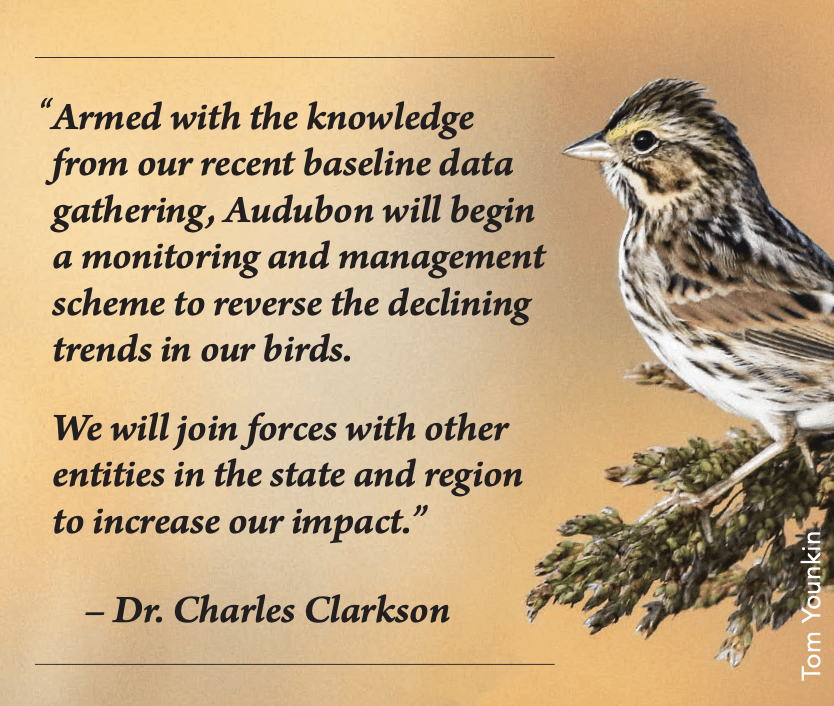
Armed with the knowledge from our recent baseline data gathering, Audubon will begin a monitoring and management scheme to reverse the declining trends in our birds. We will join forces with other entities in the state and region to increase our impact.
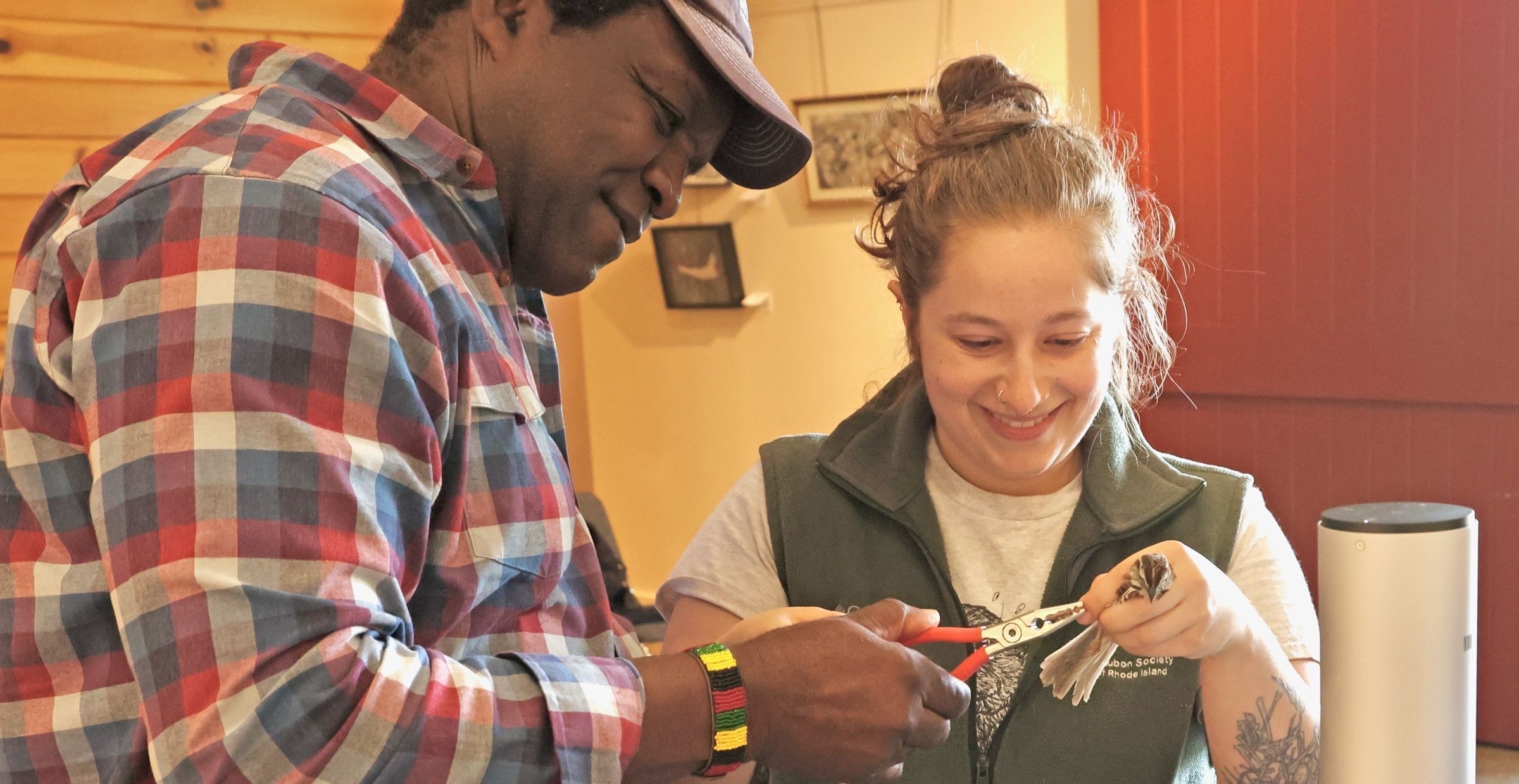
Audubon’s outreach recently extended across the globe as the organization connected with students at the Beverly School in North Kinangop, Kenya, one of four STEM-based* schools in that country. From the Audubon Nature Center and Aquarium in Bristol, RI, Audubon Educator Ianna Leshin Szewczok presented a virtual bird banding program to the students on June 10, 2023.
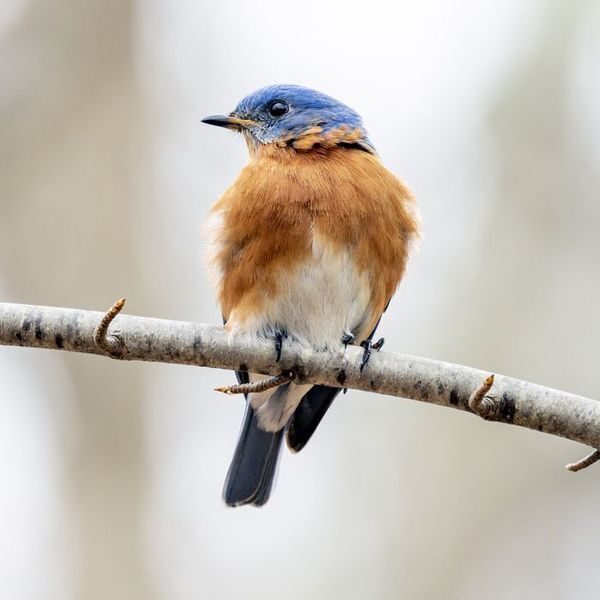
With the alarming rate of avian decline, we all need to do more, talk more, and engage more in our communities to support bird conservation. Each of us should focus on conservation efforts that we can do in our daily lives, which will have lasting impacts on our bird communities.
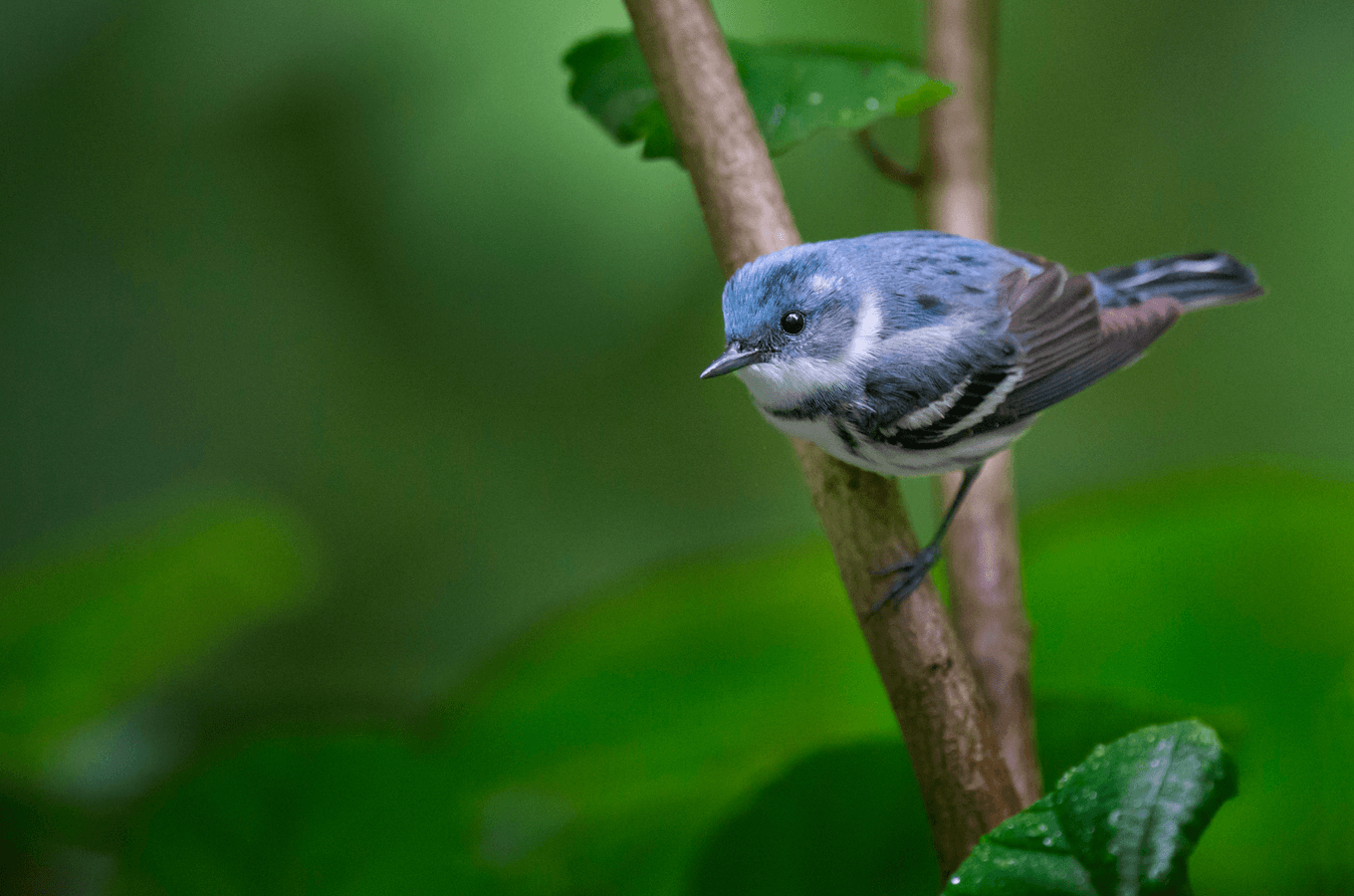
Several years of data analysis have pinpointed western Rhode Island as a hotspot for migratory stopovers. Although this may be the best time of year for us to break out our binoculars and hit the trails, the reality is that migration is an extremely perilous and strenuous time for birds. How can we help migratory birds succeed as they pass through our state?
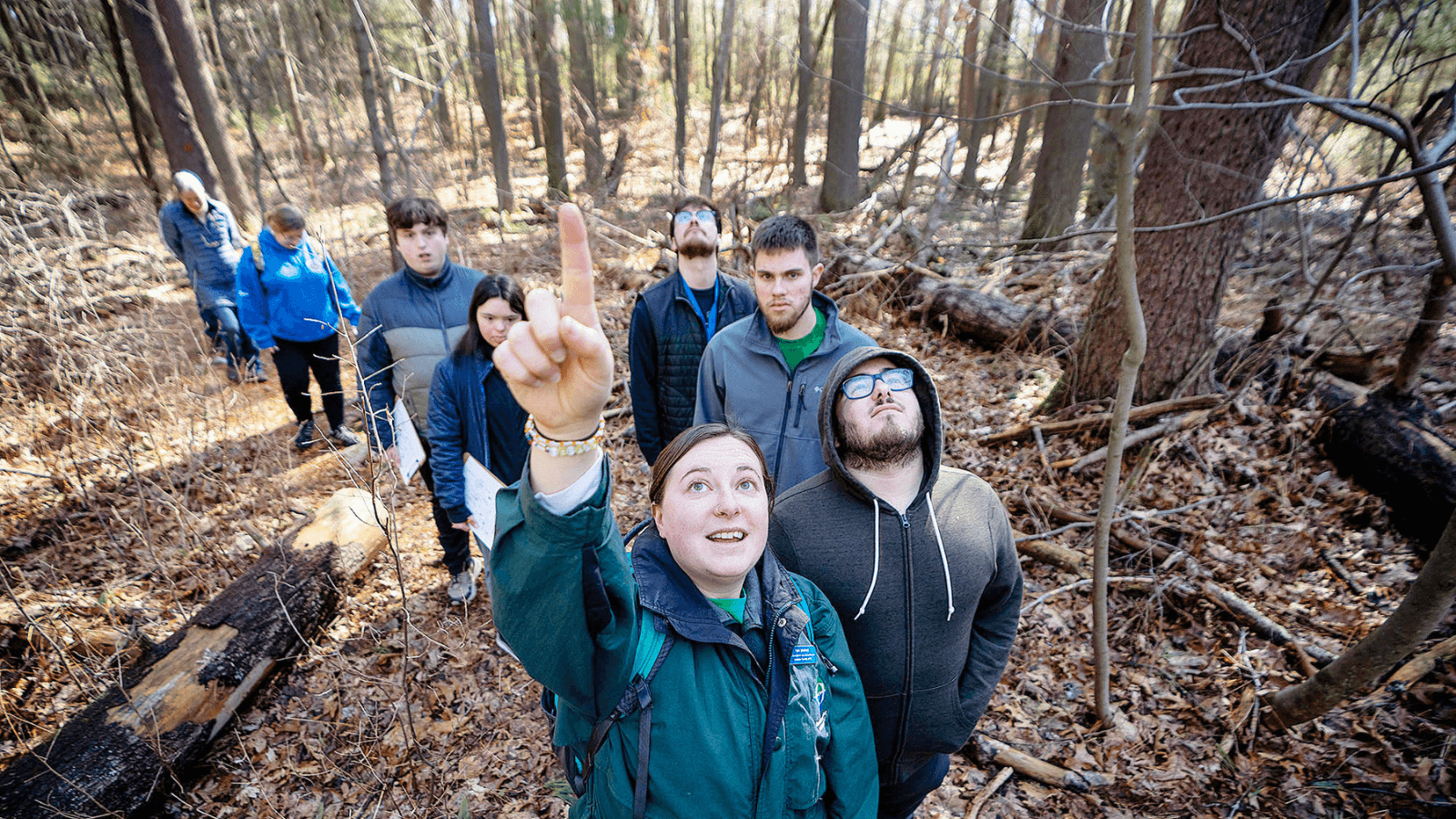
It has been a year since Audubon Educator Kate Swain and Senior Director of Education Lauren Parmelee embarked on a new initiative, “Taking Root: Nature-based Learning for All.” This pilot program aims to fulfill Audubon’s mission of connecting all people with nature—in this case, specifically students with special needs. With input from teachers, parents, and the students themselves, the end goal is to develop a well-funded, robust, barrier-free program that will serve students throughout the state.
Audubon welcomes all individuals with open wings, and we focus on creating an inclusive environment. We work with communities across the state and recognize the importance of diversity in the conservation movement. As an organization, we are committed to create spaces where everyone feels safe, valued, and respected.

More than half a century after the first global Earth Day celebration, one thing has remained constant: humanity’s dependence on the burning of fossil fuels such as natural gas, oil, and coal. A transformational shift away from fossil fuels—whether at the global, national, or state level—calls for change from society’s “status-quo” and economy-wide climate action.
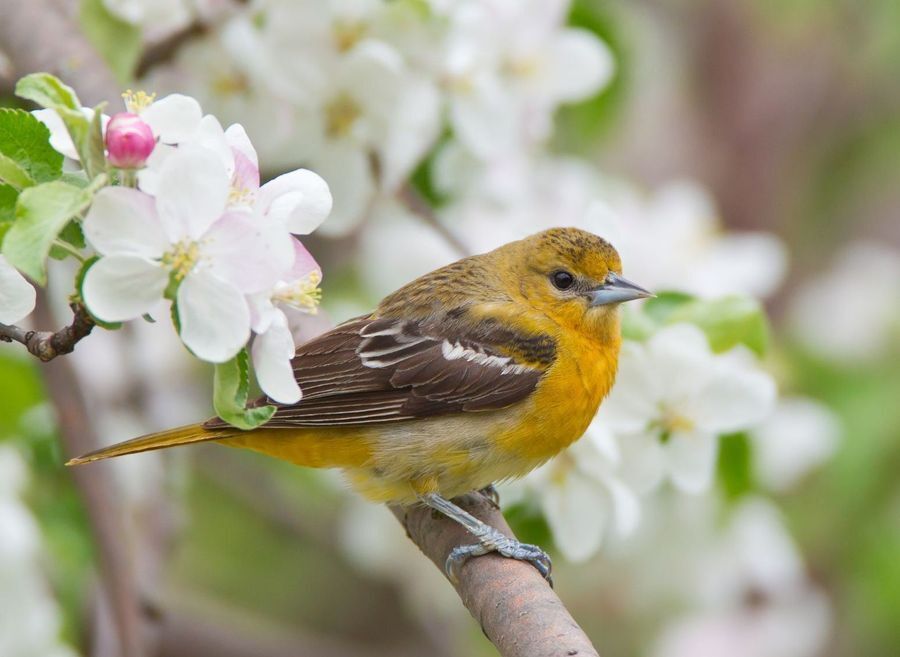
May is absolutely one of my favorite times of the year. Migration is in full swing, and the flowering trees bring back the Orioles! In Rhode Island we are lucky to have two different species: the Baltimore and Orchard Orioles. Attract these sweet, colorful birds to your backyard by planting flowering trees.
The Audubon Society of Rhode Island has been instrumental in protecting these species through direct action as well as by saving habitat that supports them. In honor of Endangered Species Day (May 19, 2023), learn more about this landmark piece of legislation!
The Audubon “State of Our Birds Report Part II” begins to pull together the information needed to better understand when birds move across Audubon wildlife refuges, what they need to fuel their journeys, and how Audubon can best manage protected properties to bring their populations back.
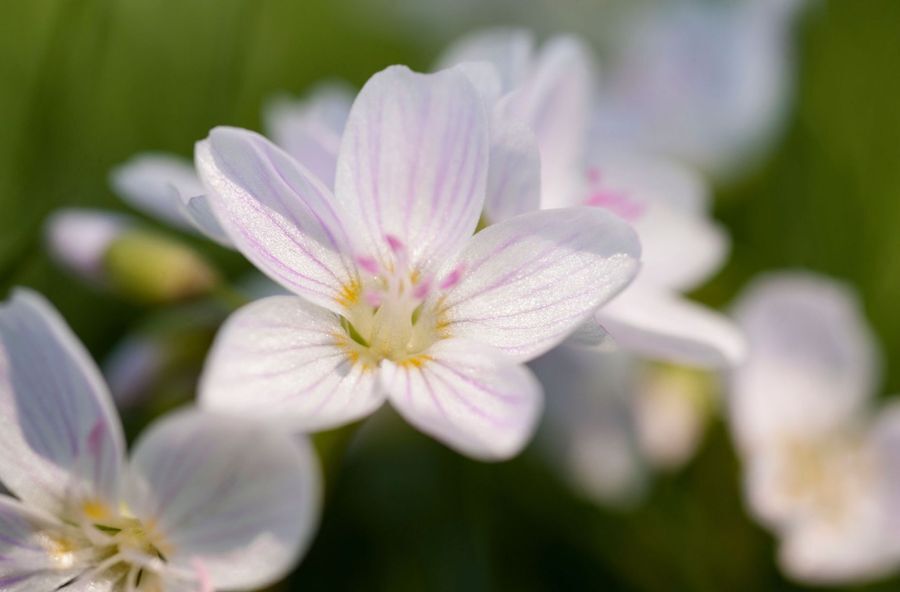
Each spring in forests and fields throughout Rhode Island, several plant species appear early, just as the days warm, and disappear before the summer. Spring ephemerals are key forest community members, yet their brief appearances are often overlooked.
From the start, the decline in the bird population (revealed from multiple international studies) was a given. From there, the Audubon initiative was launched as a fact-finding mission, to go in and find out more about how the Audubon Society of Rhode Island could help species in decline.
Lawns are ecological deserts, creating a monoculture with little to no food for wildlife. Every garden is an opportunity for us to rethink our manicured yards and consider restoring habitat for native plants and wildlife. But where to begin?
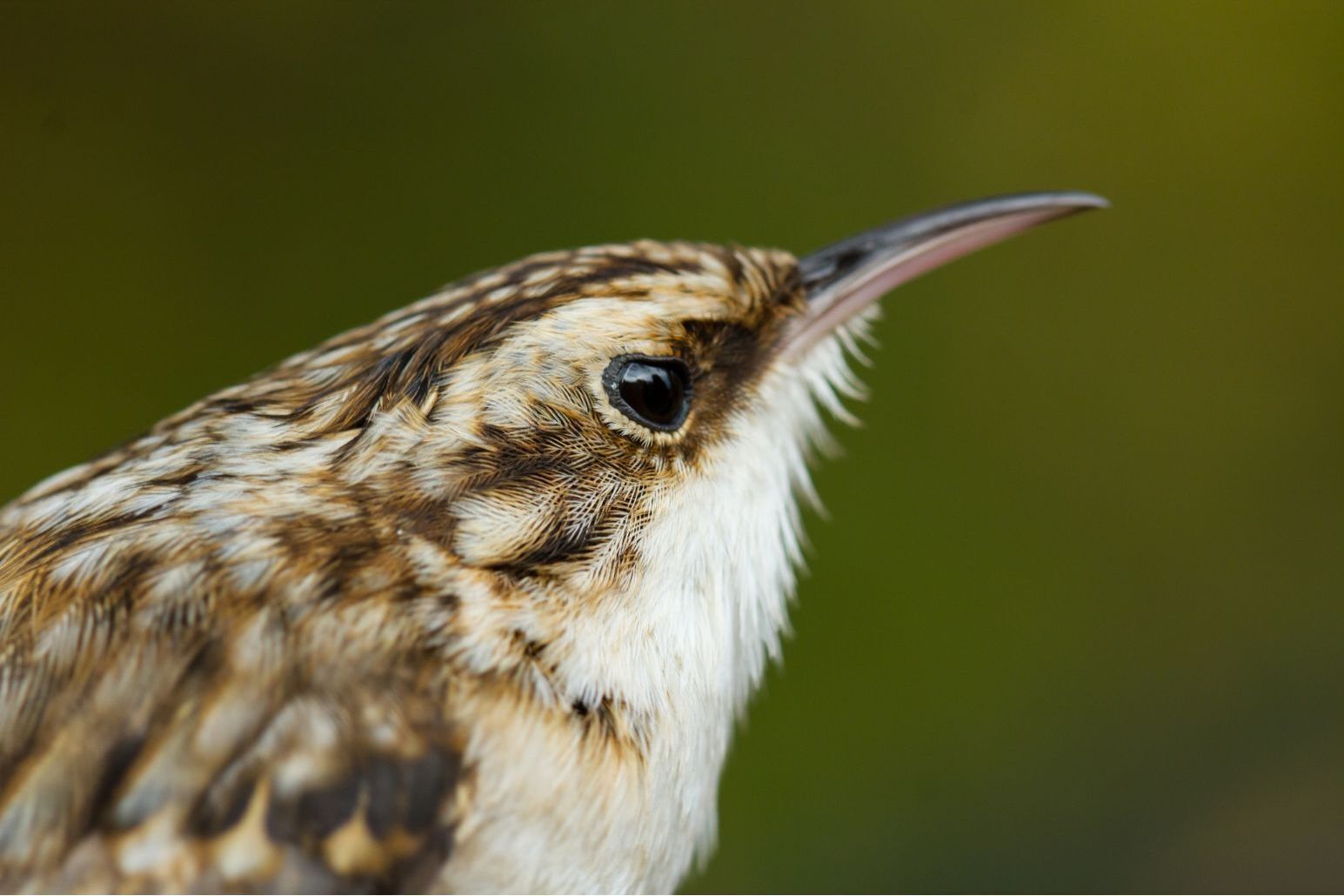
Walking through the quiet winter woods of Fisherville Brook Wildlife Refuge, I hear several high pitch song notes. I stop to listen and watch. Here! It is as if the tree bark came alive. A tiny bird, feathered in browns, grays, and white, starts to creep, spiraling up a tree. The Brown Creeper. This spectacular small songbird lives in Rhode Island all year but rarely gets noticed due to its amazing camouflage ability and high-pitch call notes that are out of range for some.
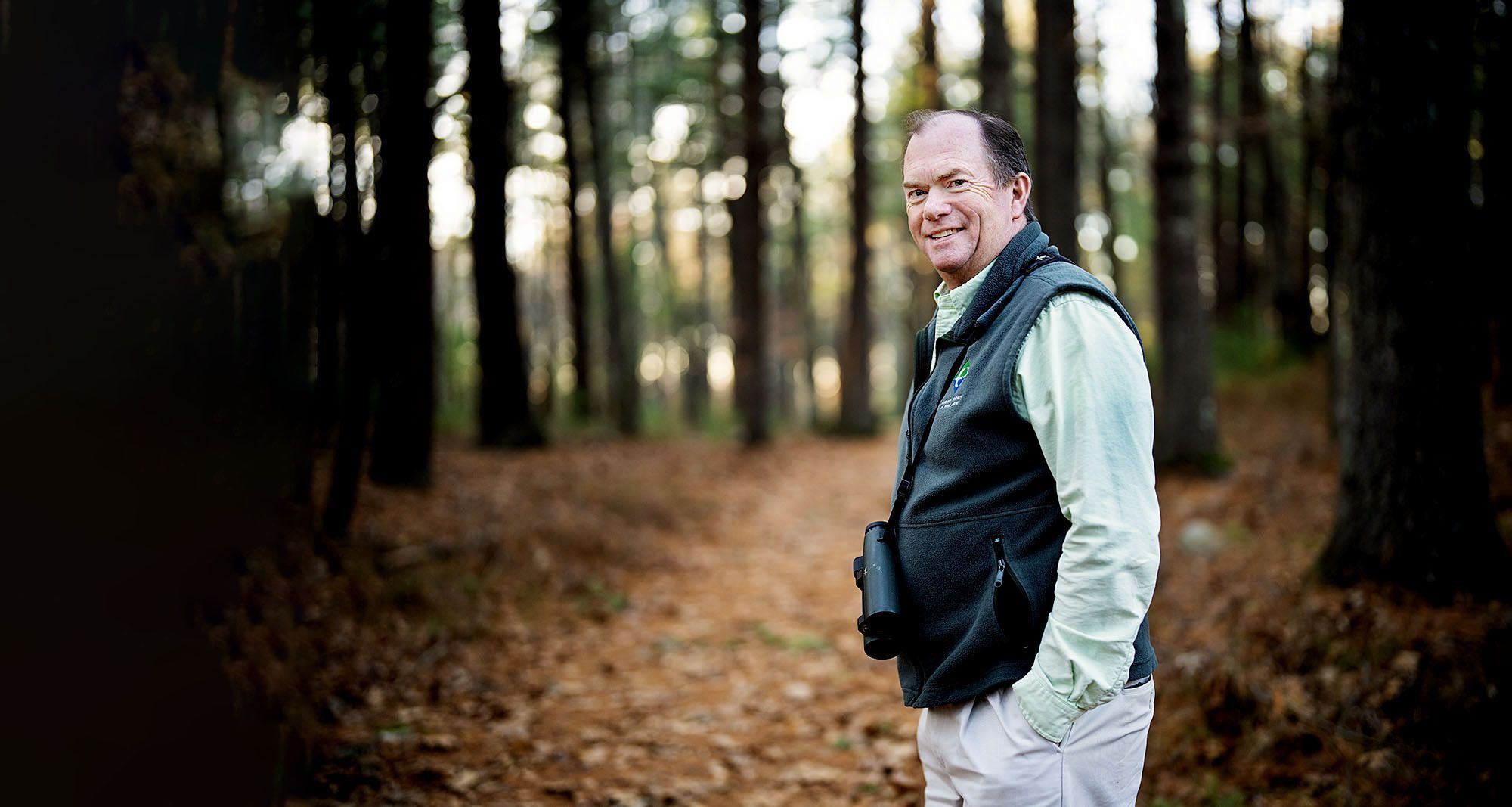
Newly appointed Executive Director Jeff Hall talks about keeping the forests— and the Audubon spirit—alive.
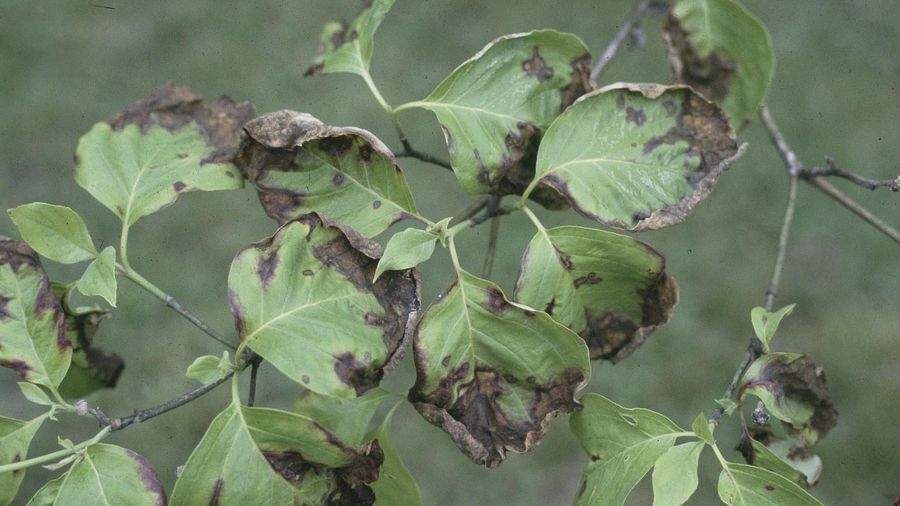
Audubon monitors forest health and is on the lookout for forest pests that may arrive. We also support the work of State and Federal scientists tracking insects and disease threats. Some simple helpful practices for forest landowners and visitors include not transporting firewood and forest products across state lines and reporting sightings of new forest pest insects and diseases.
Audubon unveils its first comprehensive report offering a full accounting of the current status and conservation actions for birds breeding and overwintering on Audubon Wildlife Refuges.
At wildlife refuges across Rhode Island, Audubon manages hundreds of acres of open fields for birds and wildlife. Without proper management, most of these breaks in the forested landscape would revert to shrub thickets and eventually forest in the process of field succession.
Alfred Hawkes helped Audubon turn the lens from individual birds and species to the habitat they lived in and habitat protection. Today, Audubon continues With the growing climate crisis upon us, Audubon’s most critical fight to protect the environment, wildlife and people of Rhode Island, may have just begun.
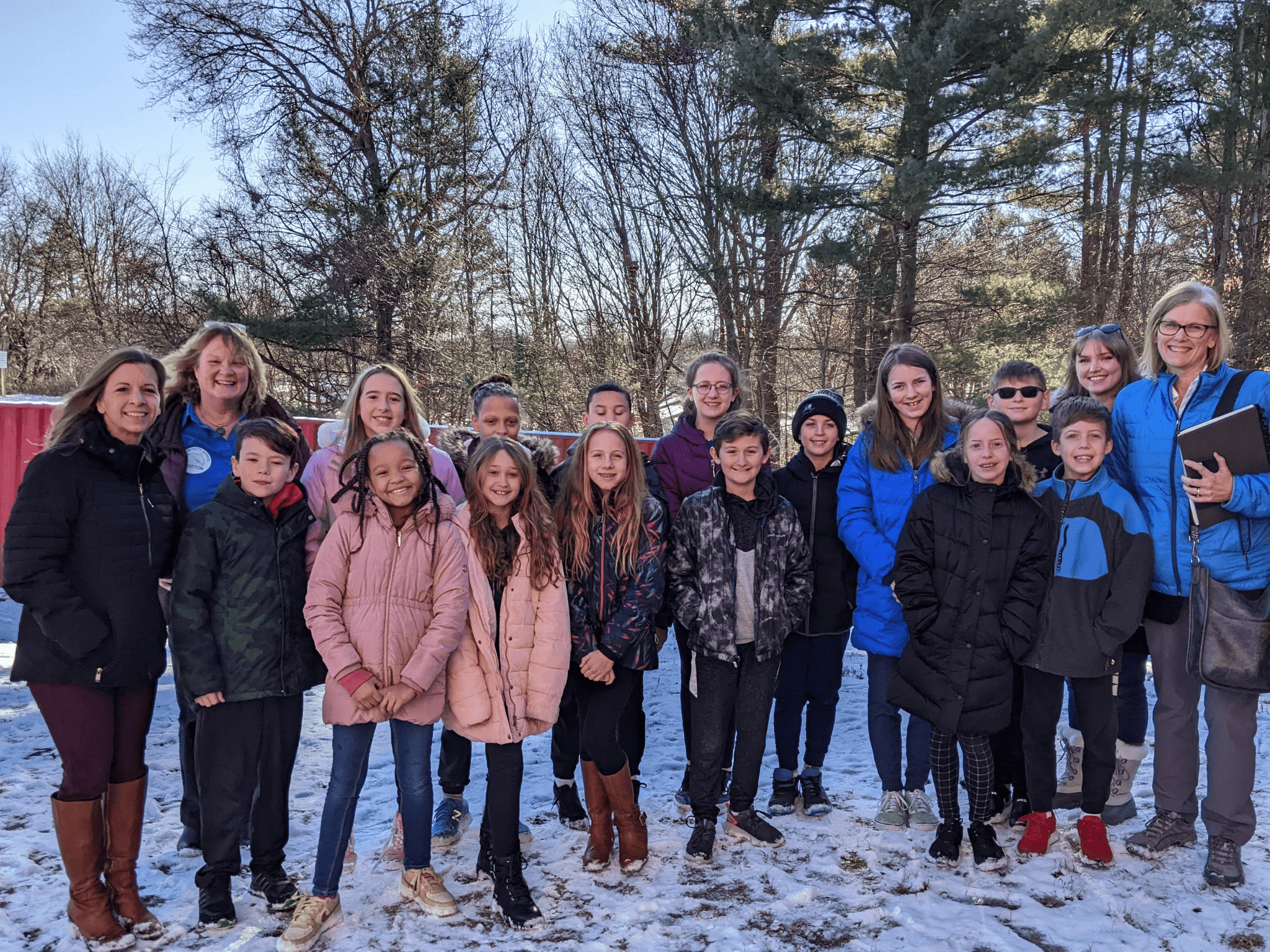
The "Learning Inside Out Outdoor Classroom Initiative” will create, enhance, and support access to natural resources for all students, while promoting environmental literacy and community connection and addressing problems such as inequitable access to the outdoors, habitat loss and degradation, and climate change.
A little over a year ago, Audubon created our Avian Research Initiative. Data collection is nearly complete and the late fall and winter will be spent analyzing and writing, with the goal of releasing the first “State of Our Birds” report at the beginning of 2023.
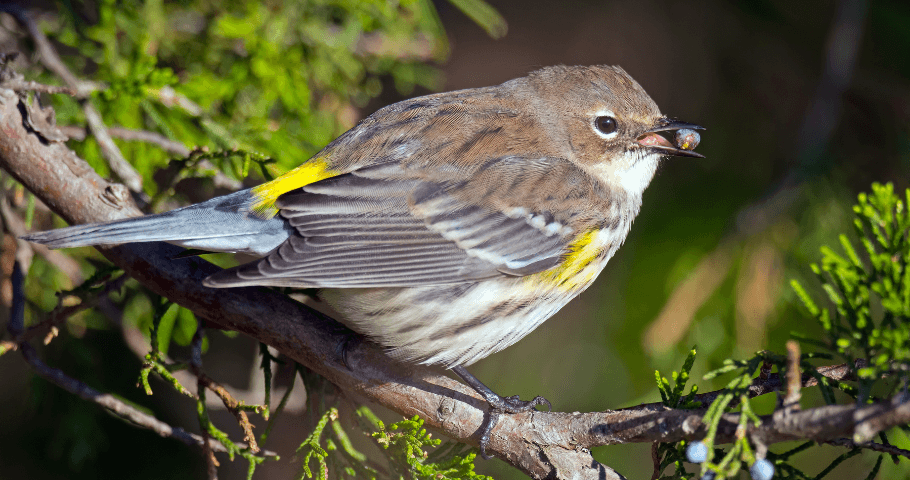
As fall turns to winter, most Warblers have left Rhode Island for warmer climates. But there is one that returns to our state in large numbers this time of year due to their unique ability to switch their diets with the seasons.
Reflecting on a career spanning from 1999-2022. Thank you for your leadership, Larry!
The Audubon Society of Rhode Island Board of Directors named Jeffrey C. Hall as the new Executive Director of the organization on November 10, 2022. "Jeff brings a deep reservoir of knowledge, passion and experience to the position, as well as a strong vision on how to aggressively move Audubon forward as a leader in scientific-based climate change advocacy while respecting the organization’s history and mission." - Audubon Board President Dave Caldwell
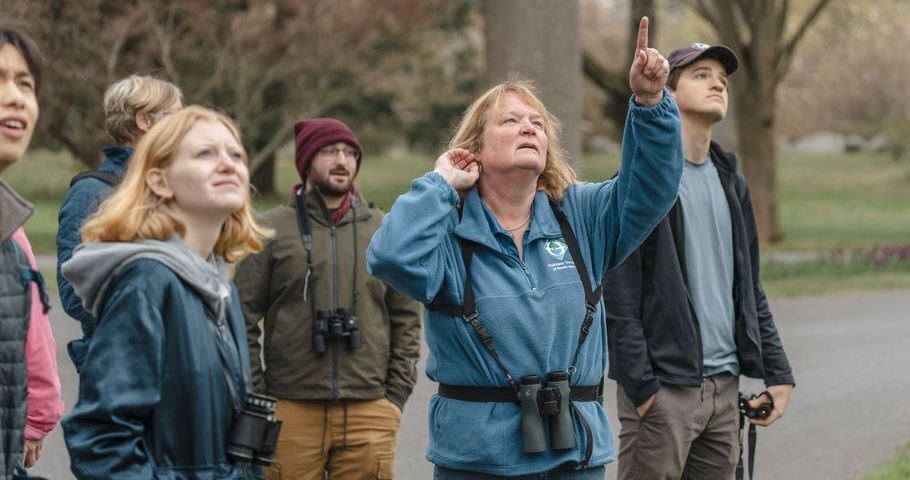
Audubon partners with Brown University's Professor Nancy Jacobs in her "Birding Communities" course, a seminar exploring culture, socioeconomics, and gender identity in the context of birdwatching.
Did you know that wildlife populations across the globe have declined by 68% since 1970? This simple solution can turn the tide in the battle to protect the dwindling bird population to create a safer ecosystem for all living creatures.
The story of Audubon is the story of its educators. Since the beginning, Audubon has understood that awakening interest in nature in children is vital in the pursuit to protect bird life and other living things. Now, with the climate crisis upon us, science is now more important than ever.
Studies have shown that taking students outside has a range of benefits; Audubon Senior Director of Education Lauren Parmelee aims to create outdoor learning spaces in schools across Rhode Island. Read to learn more about how this project started.
Rhode Island is home to many different breeds of Swallows. Laura Carberry details the spectacle of Tree Swallow migration methods.
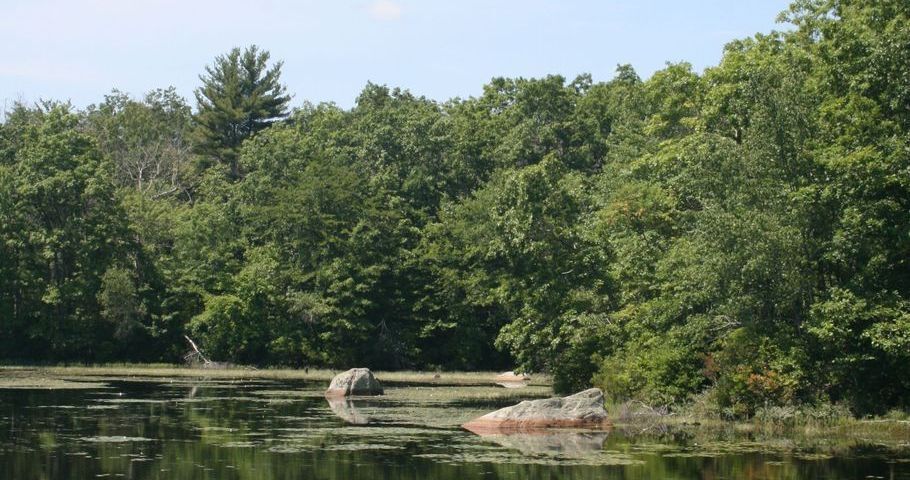
Audubon has a rich history of preserving land. Learn about the stories of multiple land donors who helped shape Audubon's mission of land conservation and wildlife protection.
Humans have a long history of persecuting predators, sometimes even eradicating species. Many native predators were eliminated from New England through hunting and trapping for furs, exaggerated fear, and habitat destruction over the past several centuries but the perils of removing predators from habitats are well known in the science community.
Pollinator populations benefit from native plants, and birds do too. Discover a variety of perennials, annuals, shrubs, and tree to add to your backyard habitat.
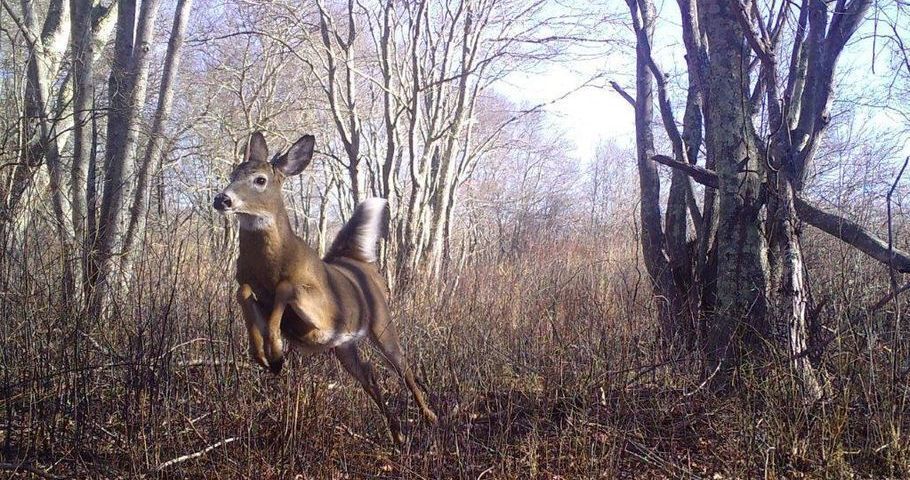
Learn how Audubon tracks wildlife on their properties – allowing for both stunning photos and safety for the animals.
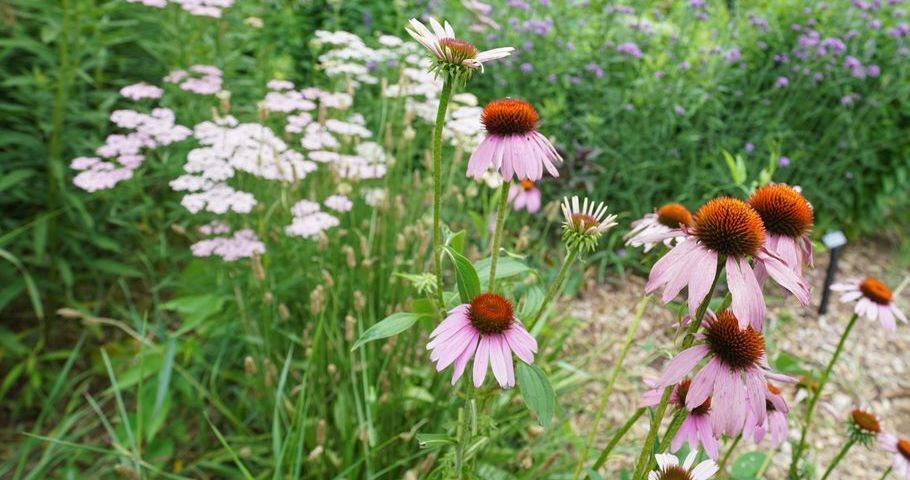
The plants on your property can become a perfect habitat for wildlife. Dr. Scott Ruhren explains the process of how to efficiently and cost-effectively transform your yard, big or small.
Dr. Charles Clarkson notes that "few people know that Rachel Carson never lived to see the impact she had on this world." Rachel Carson's bold arguments inspired change, even if she never got to see them.
In 1897, a group of concerned citizens founded the Audubon Society of Rhode Island, invoking the name of John James Audubon. Although the modern Audubon movement is far removed from the man of which it is named, we recognize that the views held by John James Audubon and early environmental leaders have left a painful legacy for so many.
Audubon has a long history of rising and meeting the challenges of the day.
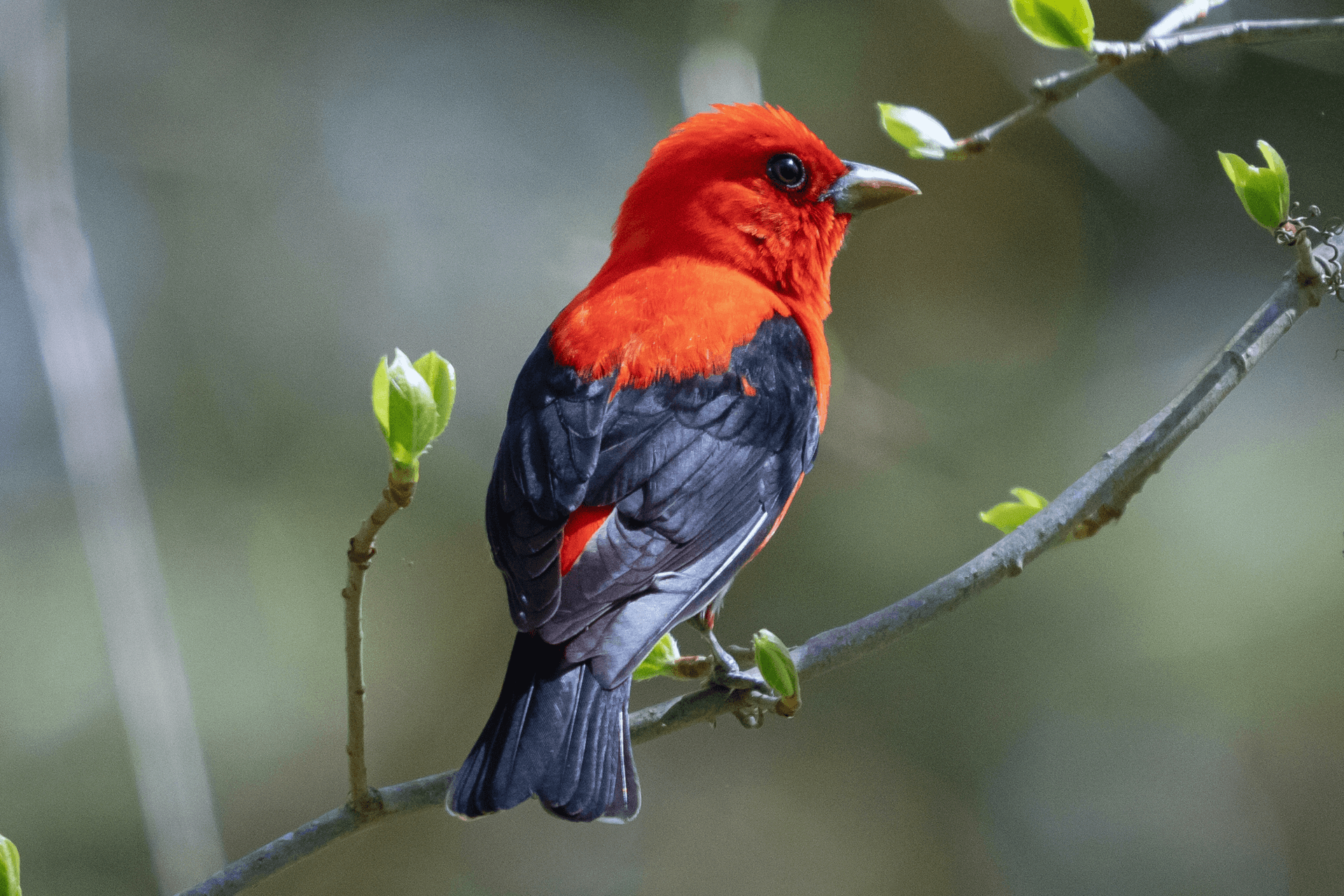
Support Our Work
Your generosity will help sustain and grow our conservation, education, and advocacy efforts right here in Rhode Island!
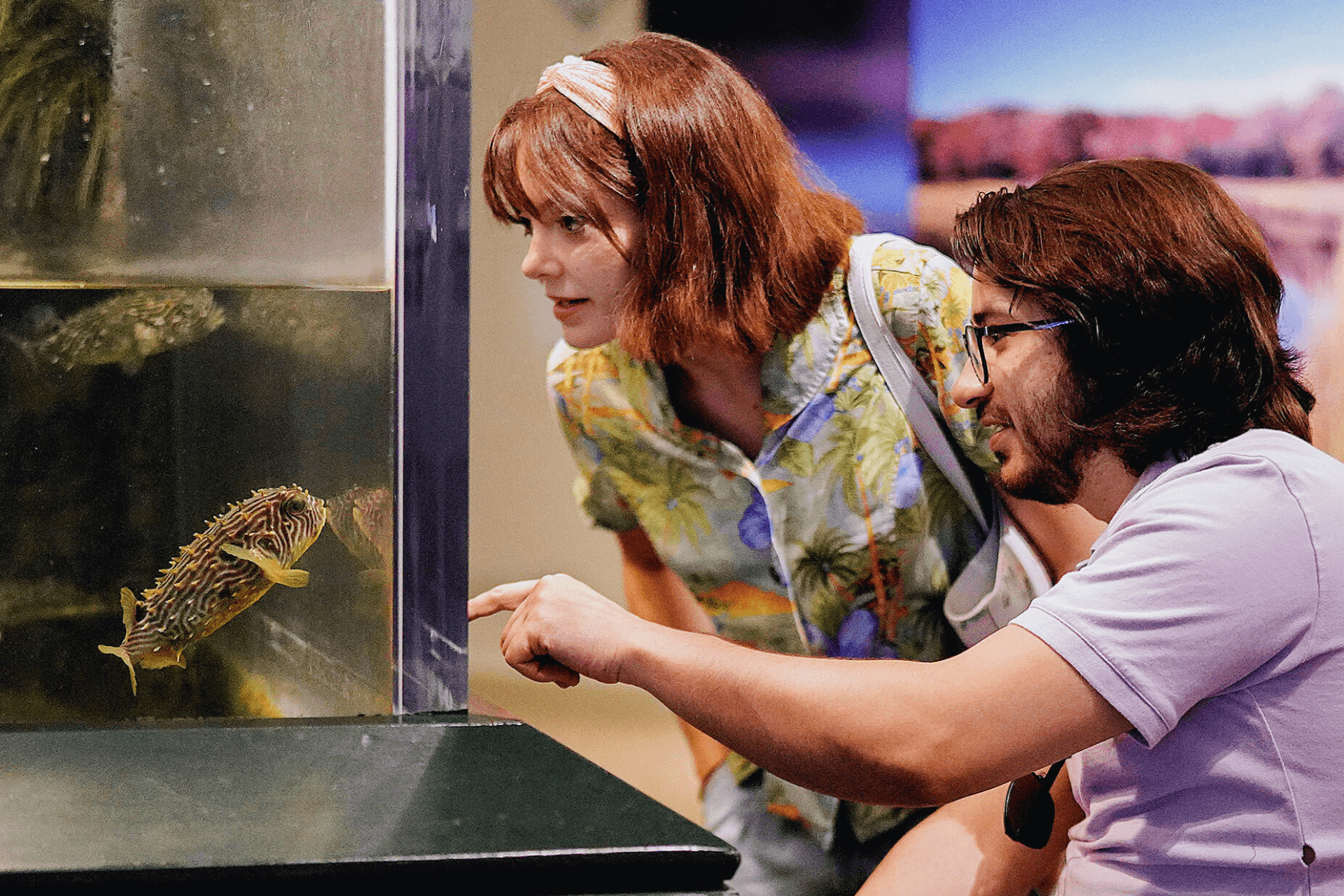
Visit Us
Start exploring nearly 10,000 acres of natural habitat across Rhode Island and nearby Massachusetts.
Programs and Events
Get outside and learn about the natural world!